Tom’s Pasta by House Of Dré: The Beauty of the Familiar, Reimagined
Tom’s Pasta by House Of Dré: The Beauty of the Familiar, Reimagined
Some interiors feel instantly familiar, as if they’ve always been part of our visual memory. Designed by House Of Dré, the interior of Tom’s Pasta in East London is one of those spaces. Rooted in a thoughtful blend of formica, leatherette, and dark wood, the restaurant evokes the timeless charm of classic Italian trattorias, while remaining firmly grounded in the present.
Located within Hackney Downs Studios, a vibrant creative hub, the project reflects the ethos of its surroundings and of its designer, Andreas Christodoulou, founder of House Of Dré, whose studio also lives within the space. Here, design is not about spectacle, but about atmosphere, familiarity, and emotion. The result is an interior that feels lived-in rather than styled, playful yet comforting, where materiality, colour, and memory come together to create a place meant to be experienced slowly.
When chef Tom Haydon set out to expand Tom’s Pasta, the brief was as much emotional as it was spatial. House Of Dré was invited to design a new dining room, bar and kitchen in an adjacent space, increasing both the number of covers and the room needed behind the scenes, without losing the warmth that made the original restaurant feel like a second home.
The challenge was clear: growth without dilution. The new room needed to speak the same language as the original, welcoming, familiar, effortlessly convivial, while introducing a more cohesive and elevated identity that reflected the brand’s Italian soul.
The result feels a little like a well-cooked Italian dish: simple ingredients, carefully balanced, nothing overworked. The space invites you to linger, to order one more plate “for the table,” to stay longer than planned. It’s familiar, but sharper; relaxed, yet intentional, proof that good design, like good pasta, doesn’t need excess to make an impression.
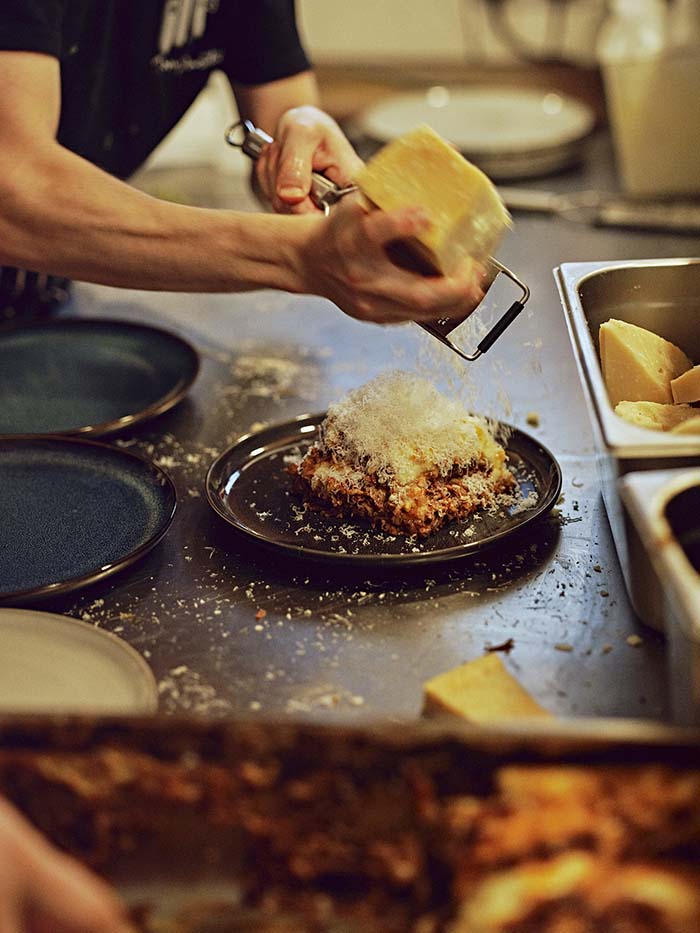
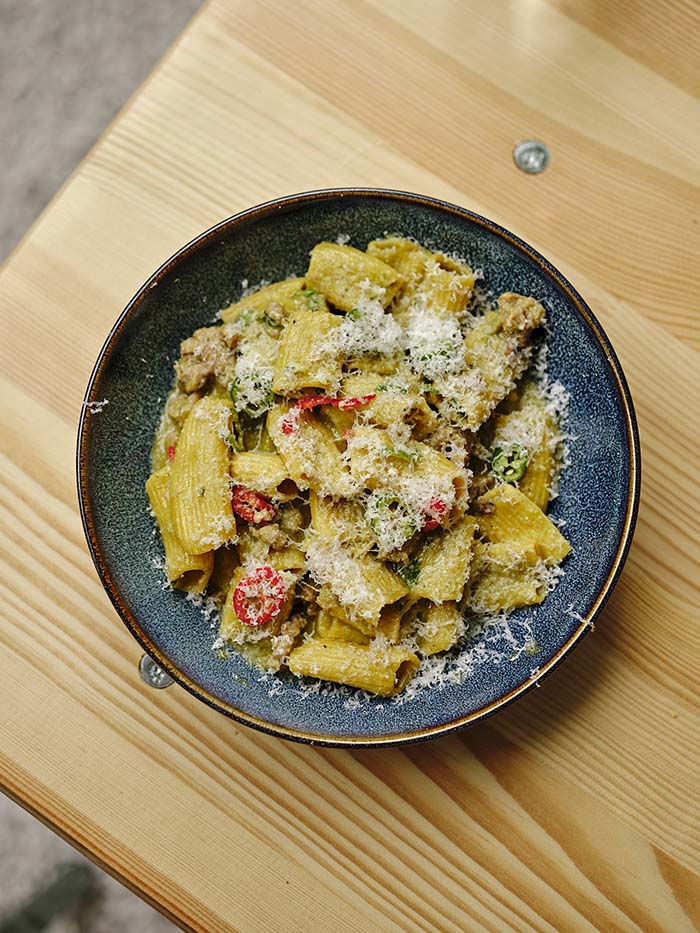
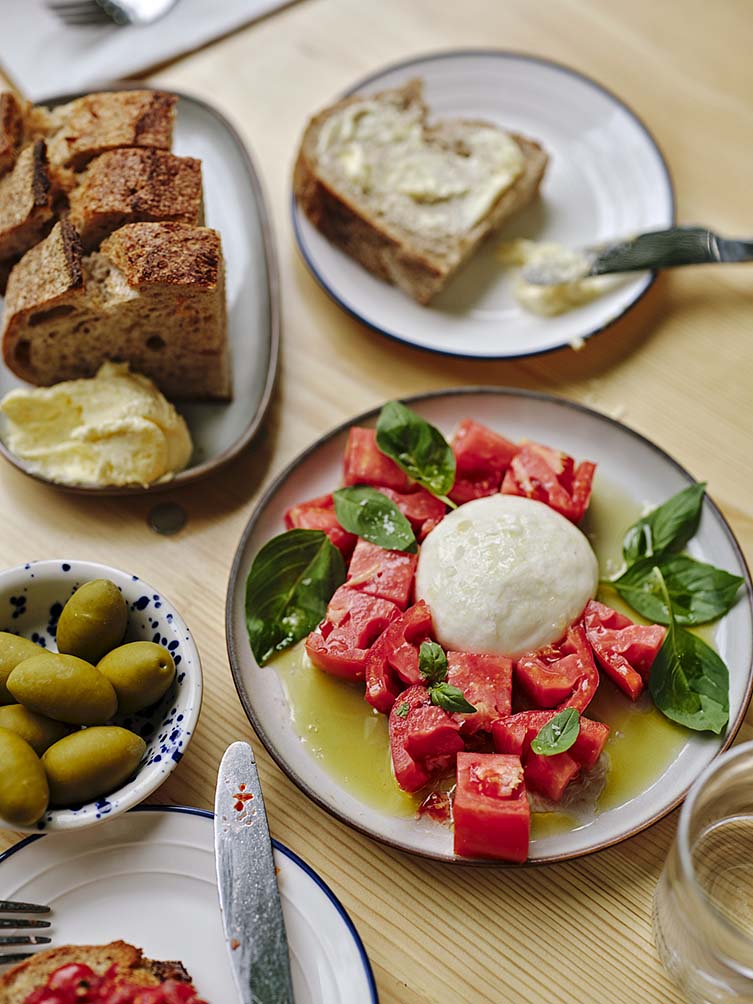
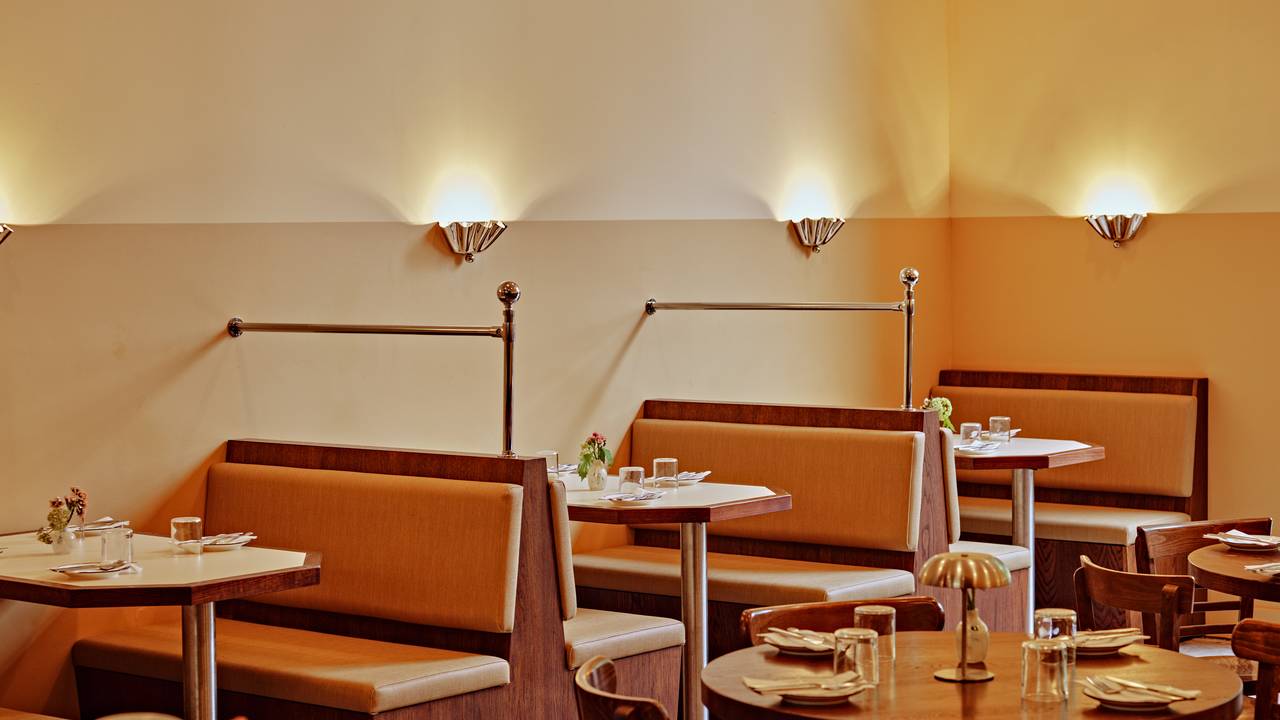
Haydon’s brief asked for a contemporary interpretation of the Italian trattoria, one that felt current without losing its soul. Practical needs were clear, a backlit kitchen pass, generous storage, intimate dining booths and space to showcase local art, but the ambition went beyond function. The restaurant needed to feel lived-in, sociable and instinctively welcoming, a place where design quietly supports the ritual of eating together.
Rather than leaning into overt Italian references, House Of Dré looked closer to home. The studio found its cues in the east London eateries established by Italian migrants in the mid-20th century, places shaped less by nostalgia and more by everyday life. Neighbourhood cafés, bakeries and early trattorias once dotted areas like Clerkenwell, Shoreditch and Bethnal Green, built by families who cooked their way into the city’s identity.
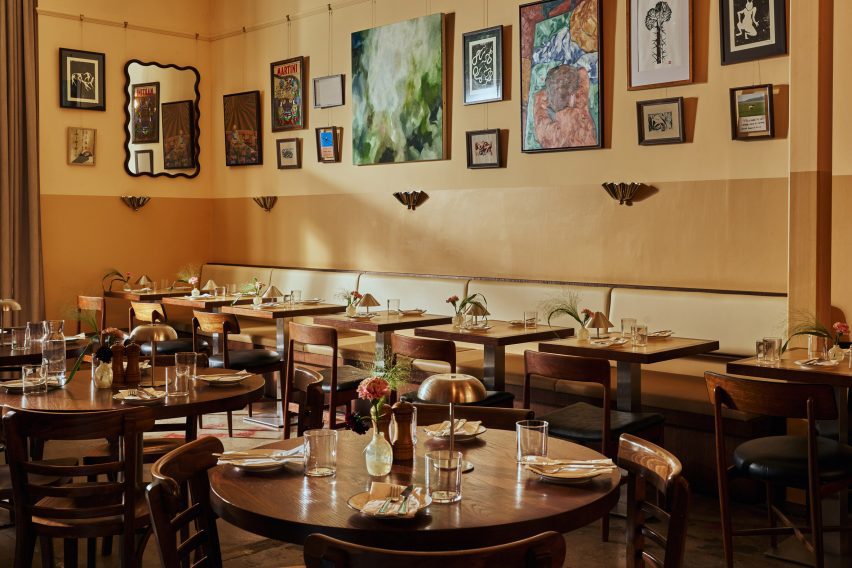
Textures, Tones, Materials and the Art of Atmosphere
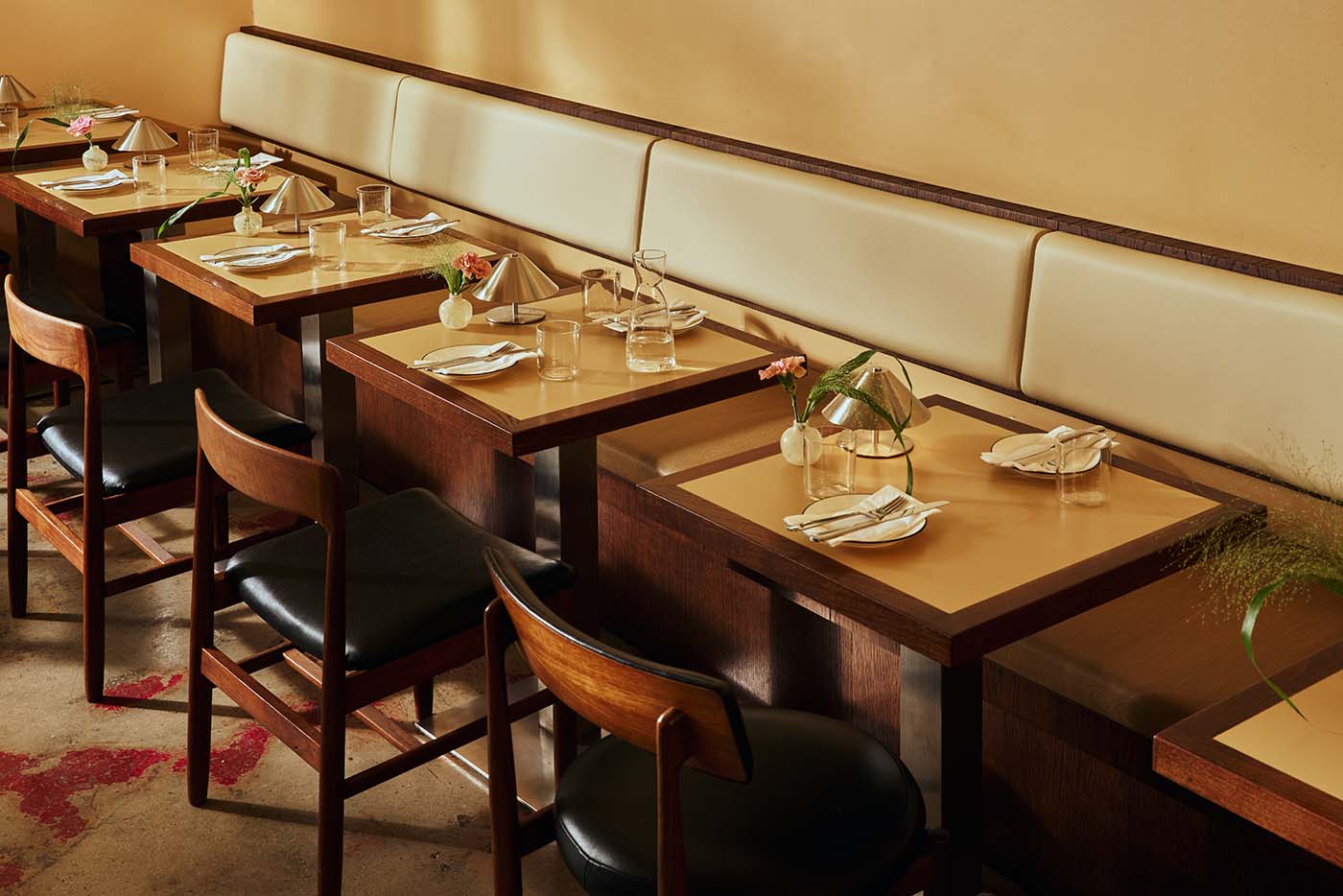
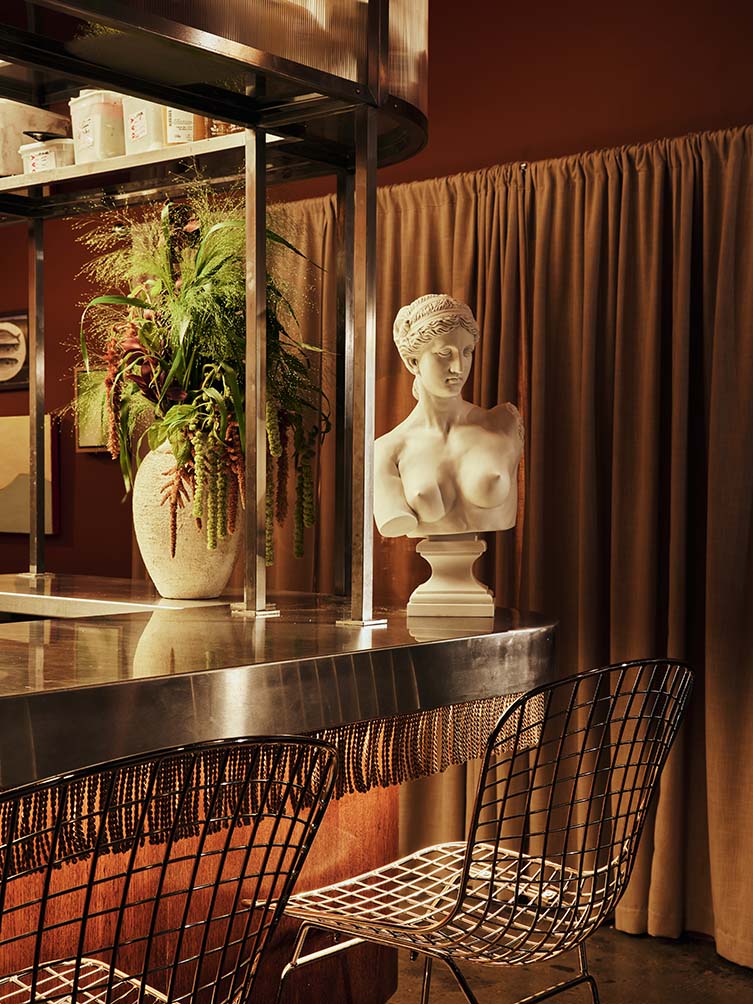
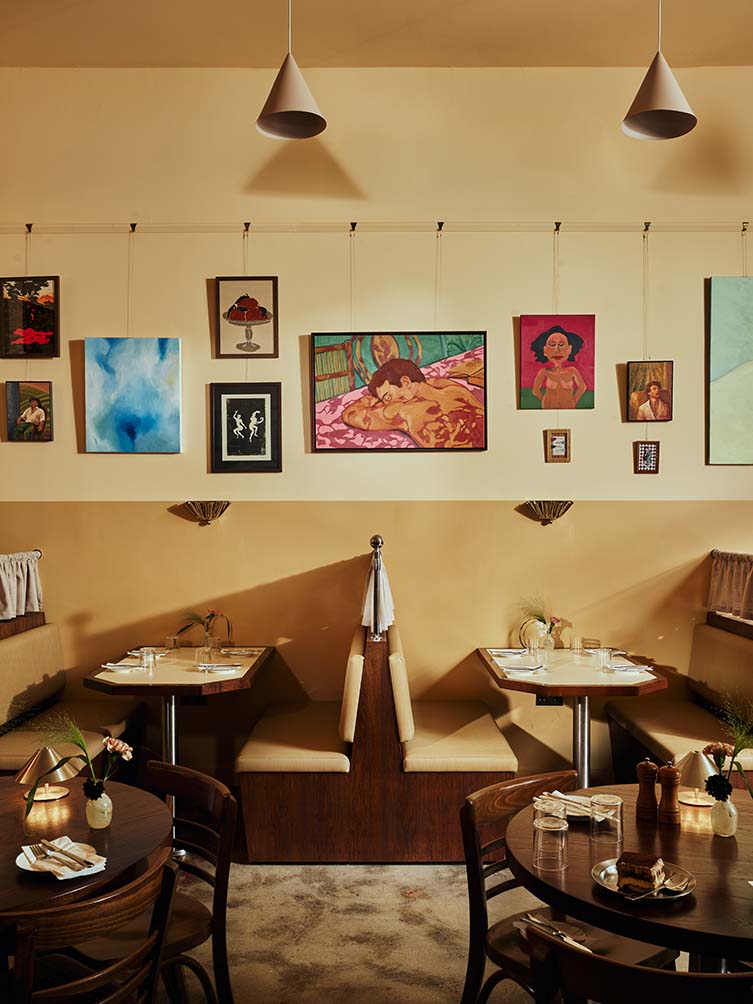
The beauty of House Of Dré’s design lies in its simplicity, a material palette that feels familiar, tactile, and effortlessly elegant. Stainless steel, linoleum, leatherette seating, and formica tabletops nod to the heritage of classic Italian eateries, while allowing each surface to breathe and age gracefully. The interplay of textures, smooth metal, warm walnut, and soft leatherette creates a sensory rhythm that is at once approachable and sophisticated.
At the heart of the space, the bar commands attention. More than a kitchen pass, it doubles as an intimate seating area, where guests can linger over a coffee or watch the rhythm of service unfold. Walnut surfaces add warmth under the glow of subtle lighting, complementing the polished coolness of stainless steel, and giving the space a balance between tactility and refinement.
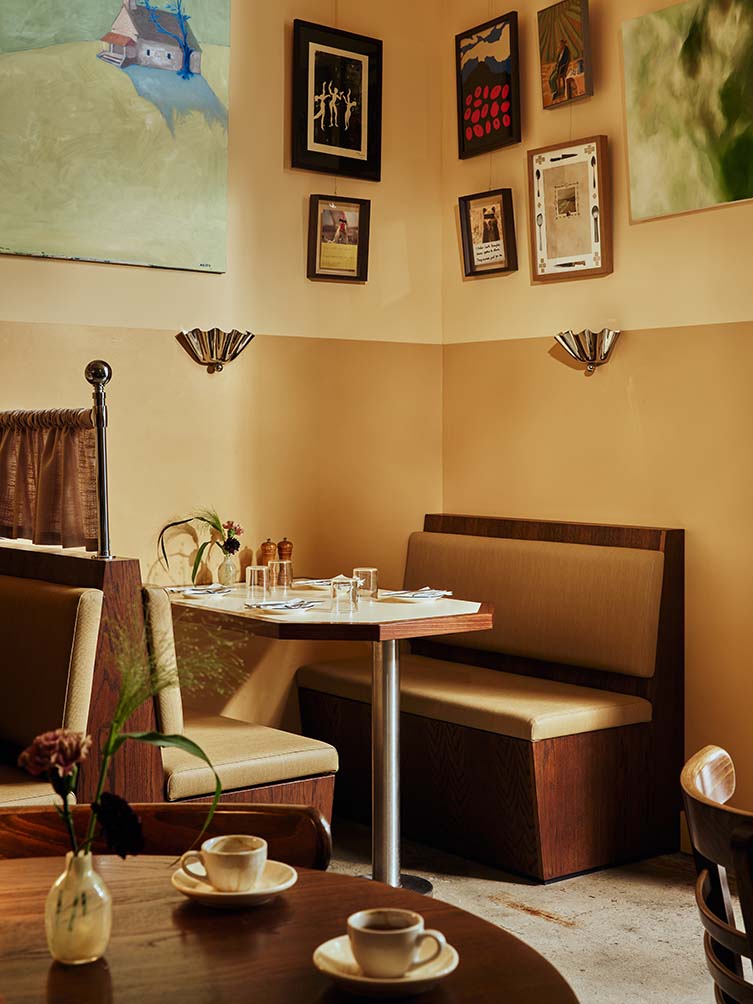
Every choice, from the selection of materials to the subtlety of finishes, feels both intentional and effortlessly balanced. The formica tabletops, smooth yet tactile, invite touch and recall the charm of mid-century Italian cafés, while reading as utterly contemporary in their streamlined simplicity. Leatherette seats offer comfort that is both immediate and lasting, a soft counterpoint to the harder surfaces around them, proving that warmth and elegance can coexist seamlessly. House Of Dré demonstrates that design can be playful and familiar without sacrificing clarity or purpose, where every detail tells a story and contributes to a larger, cohesive experience.
Beyond individual elements, the careful orchestration of textures, tones, and proportions transforms the interior into something greater than the sum of its parts. It is not merely a restaurant, but a stage for human interaction, where the rhythm of diners moving through space, the glint of polished metal, the grain of walnut surfaces, and the soft glow of lighting come together to create an immersive, sensory narrative. The booths encourage intimacy while remaining part of a larger communal story, the bar balances practicality with ceremony, and every corner feels designed to foster connection, curiosity, and comfort.
In this considered layering of materiality and design, House Of Dré has crafted a space where heritage meets innovation, and where every texture and shadow invites engagement. Each detail, from the curve of a chair to the angle of a wall light, whispers a quiet invitation: pause, observe, taste, linger, and feel at home. Here, design does not simply frame experience; it amplifies it, turning ordinary moments into lasting memories.
Sculptural Design and Atmosphere With Malabar
House Of Dré crafts interiors that breathe, where furniture is never merely functional but an active part of the space’s narrative. Every curve, volume, and material choice contributes to an environment that feels alive, playful, approachable, yet undeniably sculptural. In this world, design is as much about presence as it is about purpose.
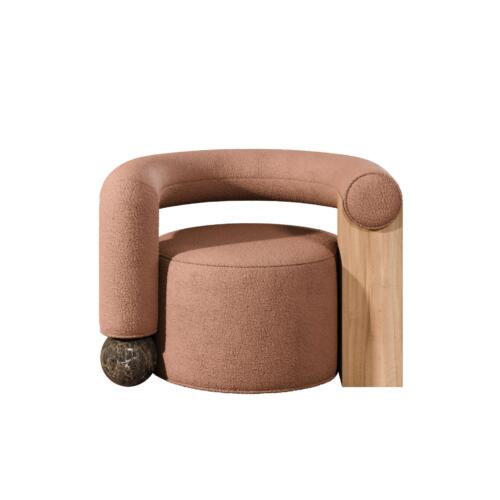
The fluid, imaginative forms of House Of Dré’s dining booths find a kindred spirit in Malabar’s Galatea Armchair. Inspired by Salvador Dalí’s surrealist painting Galatea of Spheres, the armchair is a study in balance and artistry. Just as the restaurant booths encourage diners to linger and engage, the Galatea Armchair transforms any corner into a place of pause and visual delight.
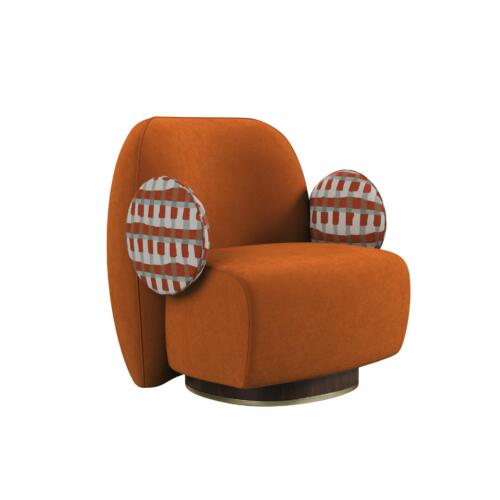
Alongside it, the La Voix Armchair channels the dreamlike influence of René Magritte and Giorgio de Chirico, distorting scale and expectation to create a piece that is both fantastical and grounded. Like House Of Dré’s interiors, it balances drama and restraint, turning ordinary moments, a quiet coffee, a conversation with friends, into something extraordinary.
In spaces that value sculptural form as much as functionality, Malabar’s armchairs echo the philosophy of House Of Dré: furniture that does not just occupy space but elevates it, creating a rhythm of shapes, shadows, and textures that feel at once contemporary and timeless. Could a single chair inspire the same sense of curiosity and delight as an entire restaurant interior? With pieces like the Galatea and La Voix Armchairs, the answer is a resounding yes.
Lighting as a Quiet Architect of Atmosphere
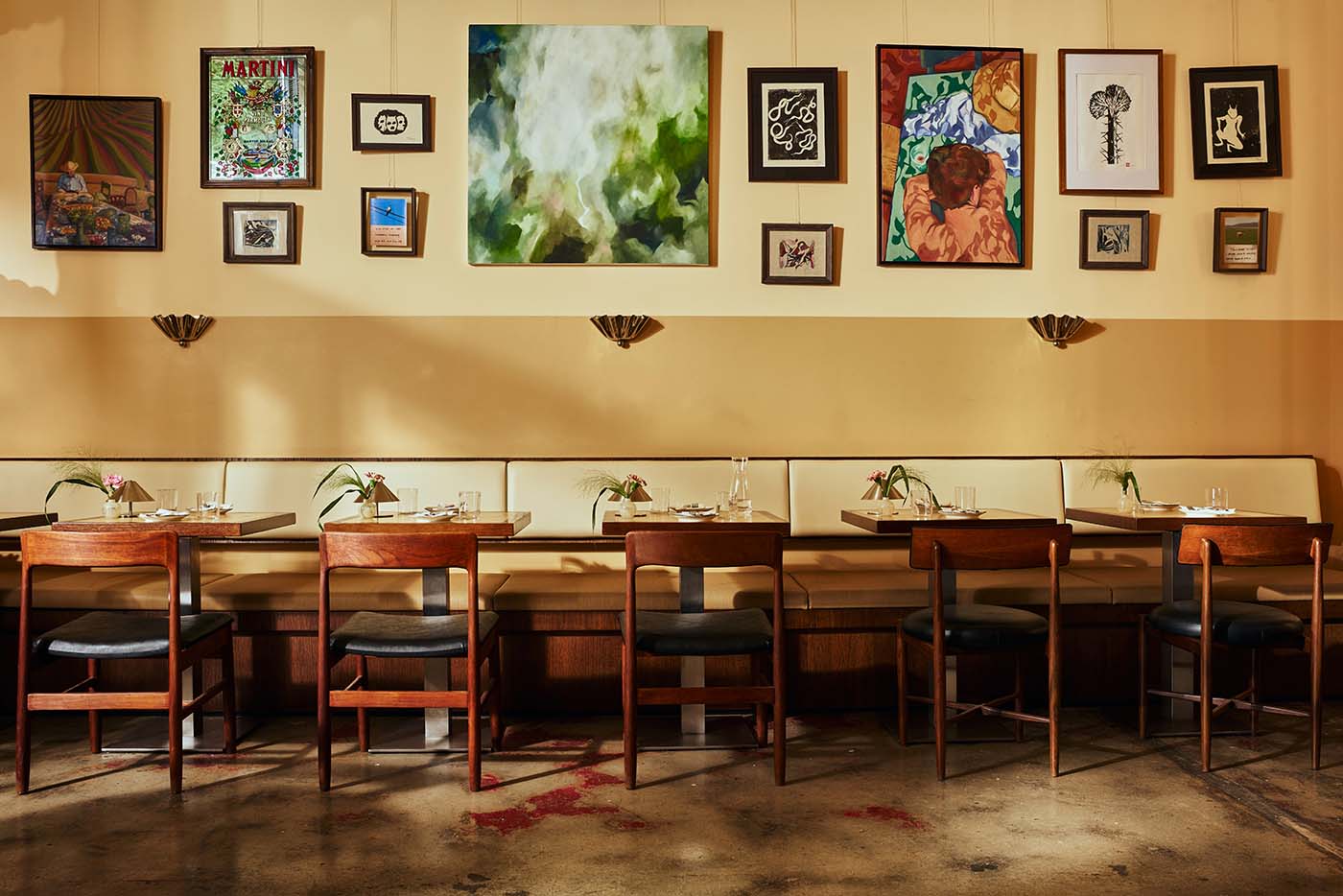
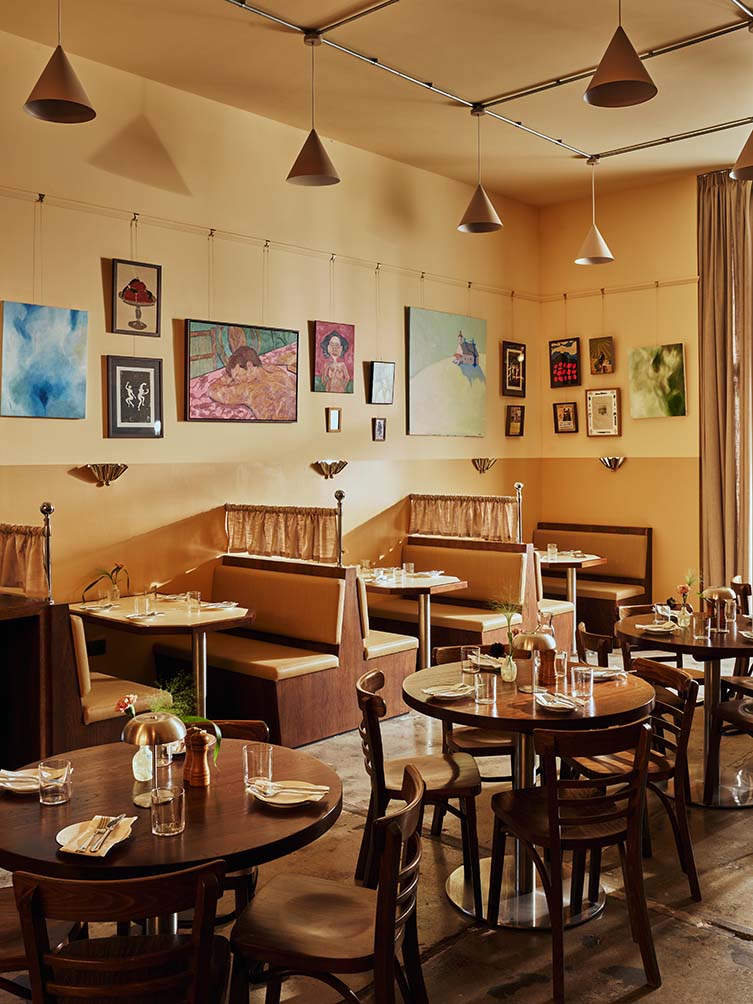
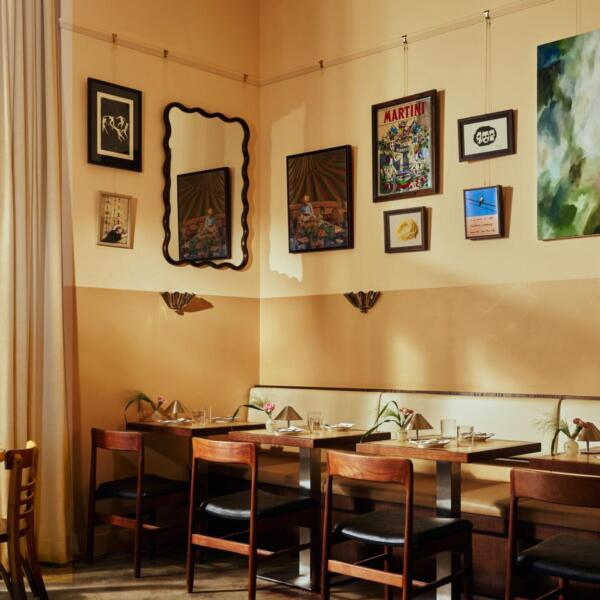
The warm tones are thoughtfully divided into two blocks, subtly breaking up the high ceiling while giving the upper section a quiet stage for a rotating selection of artworks from Hackney Downs Studios.
In this way, House Of Dré transforms the walls into more than just boundaries, they become canvases that evolve with the space, inviting the eye to wander and linger.
A restrained lighting scheme enhances this effect. Bespoke scalloped wall lights wash the artworks in a soft, directional glow, highlighting texture and color without overpowering the room.
Small table lamps punctuate the dining areas, offering intimate pools of light that feel almost like whispered invitations to pause, converse, and savor the moment.
Could a simple wall lamp do more than illuminate? In the hands of House Of Dré, it becomes a storyteller, accentuating materials, shadows, and the rhythm of daily life in the restaurant. Each subtle shift in light deepens the connection between diners and their surroundings, making the interior feel alive, playful, and quietly familiar.
Collaboration, Community, and the Art of the Familiar
At its heart, Tom’s Pasta is more than a restaurant; it is a living testament to the spirit of collaboration and community that House Of Dré so beautifully channels. Every detail, from the tactile warmth of walnut and leatherette to the gentle glow of bespoke wall lights, is designed to celebrate the people who inhabit the space, the diners, the staff, and the local artists whose work adorns its walls.
House Of Dré reminds us that design is not just about aesthetics, but about creating environments that feel lived-in, approachable, and full of quiet joy. It is in the playful nods to East London’s Italian heritage, in the rhythm of light and shadow, and in the subtle choreography of materials that the interior achieves its magic. Here, familiarity becomes sophistication, and everyday moments are elevated into experiences worth lingering over.
As Andreas Christodoulou reflects, “This project is about collaboration and has community at its core. It is not about luxury, it is about creating something playful, familiar, and deeply reflective of this part of London.”
And perhaps that is the lasting impression of Tom’s Pasta: a space that invites you in, encourages connection, and lingers in memory long after the last bite. In a city as fast-moving and ever-changing as East London, it is a reminder that the most remarkable designs are the ones that feel like home.